
AI Applications in Investigative Journalism
The fourth briefing from the AI and Journalism Research Working Group finds that the individual nature of investigations is a challenge for adopting AI tools in investigative journalism.

AI provides new reporting, investigative and operational tools for journalism. It also exacerbates challenges like disinformation, copyright abuse and job stability. CNTI’s work examines both the opportunities and challenges AI brings to the field in order to shape newsroom leaders and policymakers’ understanding.
Read The Latest
Showing 1 – 12 of 29 Posts
The fourth briefing from the AI and Journalism Research Working Group finds that the individual nature of investigations is a challenge for adopting AI tools in investigative journalism.
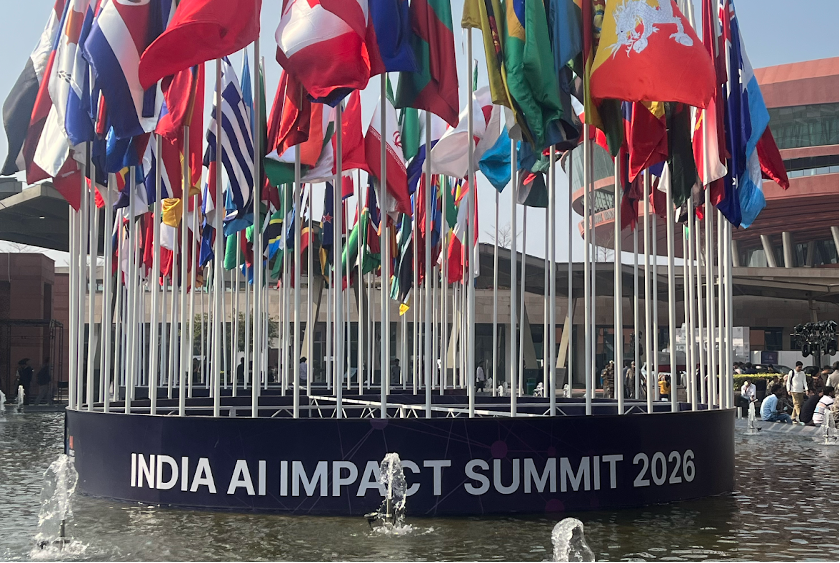
The scale of the India AI Summit has expanded significantly from the early global AI gatherings just a few years ago.

The third briefing from the AI and Journalism Research Working Group finds that organizational AI policies tend to prioritize principles and values over practical guidance.

Few interviewees have deep knowledge about how either journalism or AI chatbots work. At the same time, interviewees expressed generally positive attitudes towards AI chatbots alongside generally negative ones towards news media.
Interviewees see AI chatbots as fast, easy, personalized, customizable and friendly ways of getting information
Interviewees use AI chatbots to act on what’s happening and to understand it, more than simply to know about it or to feel something about it

How habitual AI chatbot users in the US and India stay informed

CNTI analyzed 188 national and regional AI strategies, laws and policies that collectively cover more than 99 countries to determine how AI regulation is impacting journalism around the world.

Innovations and insights from across the Western Balkans and Central Europe

The second briefing from the AI and Journalism Research Working Group finds that while journalists are using AI transcription and translation systems, accuracy and accessibility vary, making continued human oversight essential.