

Media Attention
Find a mix of columns, essays and public engagements by members of the CNTI team.
Read The Latest
Showing 13 – 24 of 44 Press
-
-

AI Statecraft: Top News Policy Concerns For Regulators
Transparency and privacy are the leading issues related to AI and news media worldwide, judging by Journalism’s New Frontier, a study from the Center for News, Technology & Innovation (CNTI).
-

Journalism producers will (re)see their product as a business
To be successful, news information producers will need to conduct a smart market analysis to determine the demand, demographics, economics and startup costs to launch.
-
Implications of the Digital Personal Data Protection Act, 2023 on press freedom and right to information
“In its report, the Center for News, Technology and Innovation (CNTI) conducted a survey with 430 journalists in 60 countries (including India) across the world.”
-
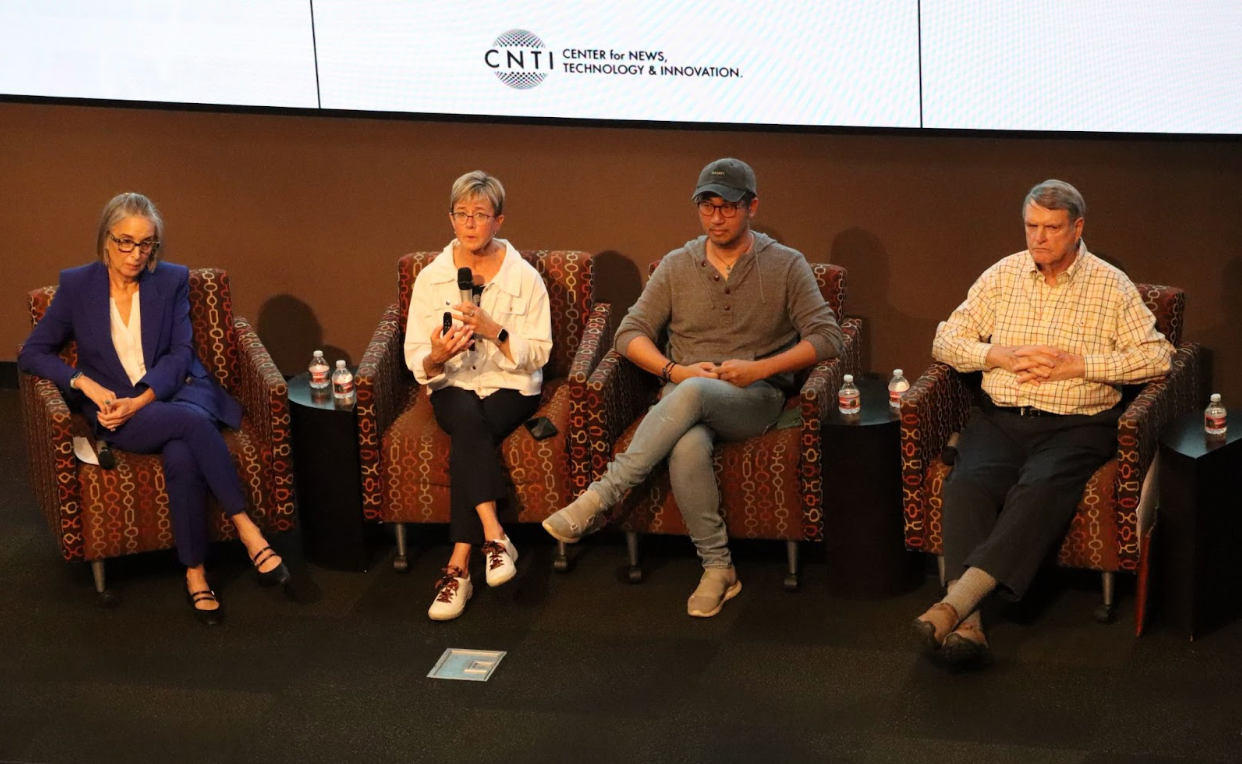
Experts discuss impacts of AI on journalism’s future
“Technology can be seen as a threat, but now it has to be embraced,” Mitchell said. “You can use that technology to empower you and your relationship with the public.”
-
Studies on AI transcription and translation in journalism reveal “low-resource” language gap, new report finds
A new report from the Center for News, Technology & Innovation (CNTI) reviewed over 55 studies to better understand the state of AI translation and transcription in journalism.
-
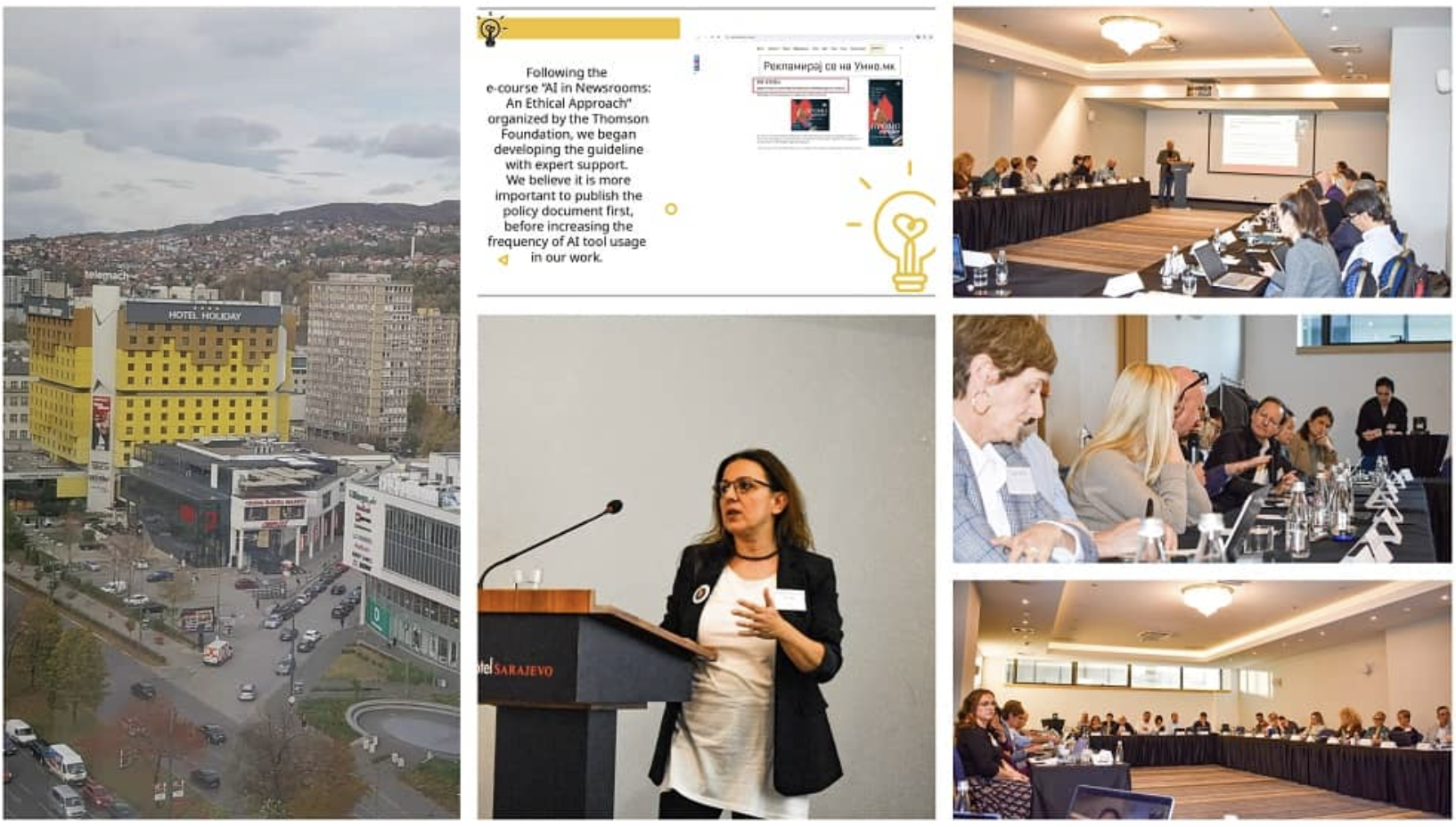
AI, media and the future – focus of the regional gathering in Sarajevo
More than 30 media representatives from the Western Balkans and Central Europe and renowned experts presented.
-
Who Is a ‘Journalist?’ An Evolving Definition
“Prior to the digital era, who was a journalist was largely defined by the small mix of news outlets available,” said Amy Mitchell.
-

How Serbia could use EU Digital Services Act for state censorship
The implementation of the DSA in Serbia and other countries lacking an independent DSC risks becoming an EU-based tool for state repression, enabling ruling parties to suppress dissent under the guise of compliance.
-

M20 Summit on media freedom, AI, information integrity amongst others
SABC News Anchor Unathi Batyashe speaks to CNTI Executive Director Amy Mitchell on the sidelines of the M20 Summit in South Africa.
-
Press freedoms can slip away
Journalists abroad say press rights vanish slowly, then all at once, unless they’re defended early.
-
Walter Cronkite signed off — and trust in the press steadily eroded
Once a voice of authority, the decline of trust in the press has mirrored the rise of a more fragmented, polarized media world.